




A psychologist can be a key figure in achieving peak performance and wellbeing for athletes and teams.
The sports psychologist aims to help people and teams reach their peak performance while improving their mental wellbeing.
To do this, the sports psychologist first needs to know and understand what is happening to the person or team within their sporting and personal context. To achieve this, the psychologist looks at which psychological variables (motivation, self-confidence, arousal level, attention, team cohesion…) are most relevant in the life of that athlete or team.
Depending on each particular case, a possible line of work can be drawn up, along with the strategies and/or techniques that can help and mentally strengthen the team or person.
OK, but now you may be wondering whether this only applies to “elite” athletes or whether, on the contrary, it can be used in other areas too.
A sports psychologist’s work is not only applied to elite athletes; it can also be used in other contexts. In total, it is divided into three main areas.
The one we have just mentioned, high performance, is the best known so far. It focuses on the athlete’s or team’s peak performance in order to achieve results.
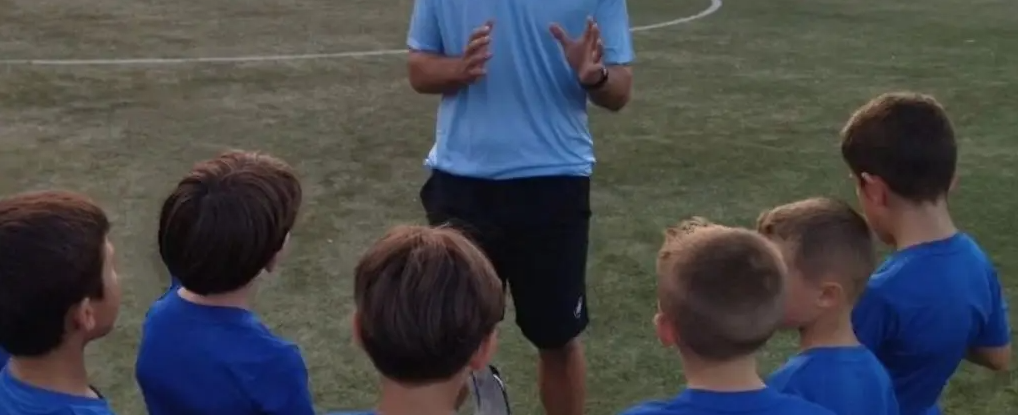
Then there is grassroots and youth sport, where we work with young people, clubs, federations, teams… The aim is to use psycho-education to develop young athletes as a whole, so that they get to know themselves and can practise their sport with the greatest possible wellbeing and performance.
The third area is recreational sport, which aims to promote sport to improve general health, also helping to prevent illness.
Therefore, every sport and every athlete or group of athletes has particular circumstances that must be taken into account in order to understand their psychological needs; otherwise we would be working blind.
These psychological needs may overlap in some respects (for example, competing against others and being socially evaluated is stressful for everyone; everyone makes mistakes; etc.), but each person has different circumstances and needs.
In short, each person or team has a specific context that makes what they need to work on specific too; and by understanding this context we can determine the psychological work to be carried out with each athlete or team.